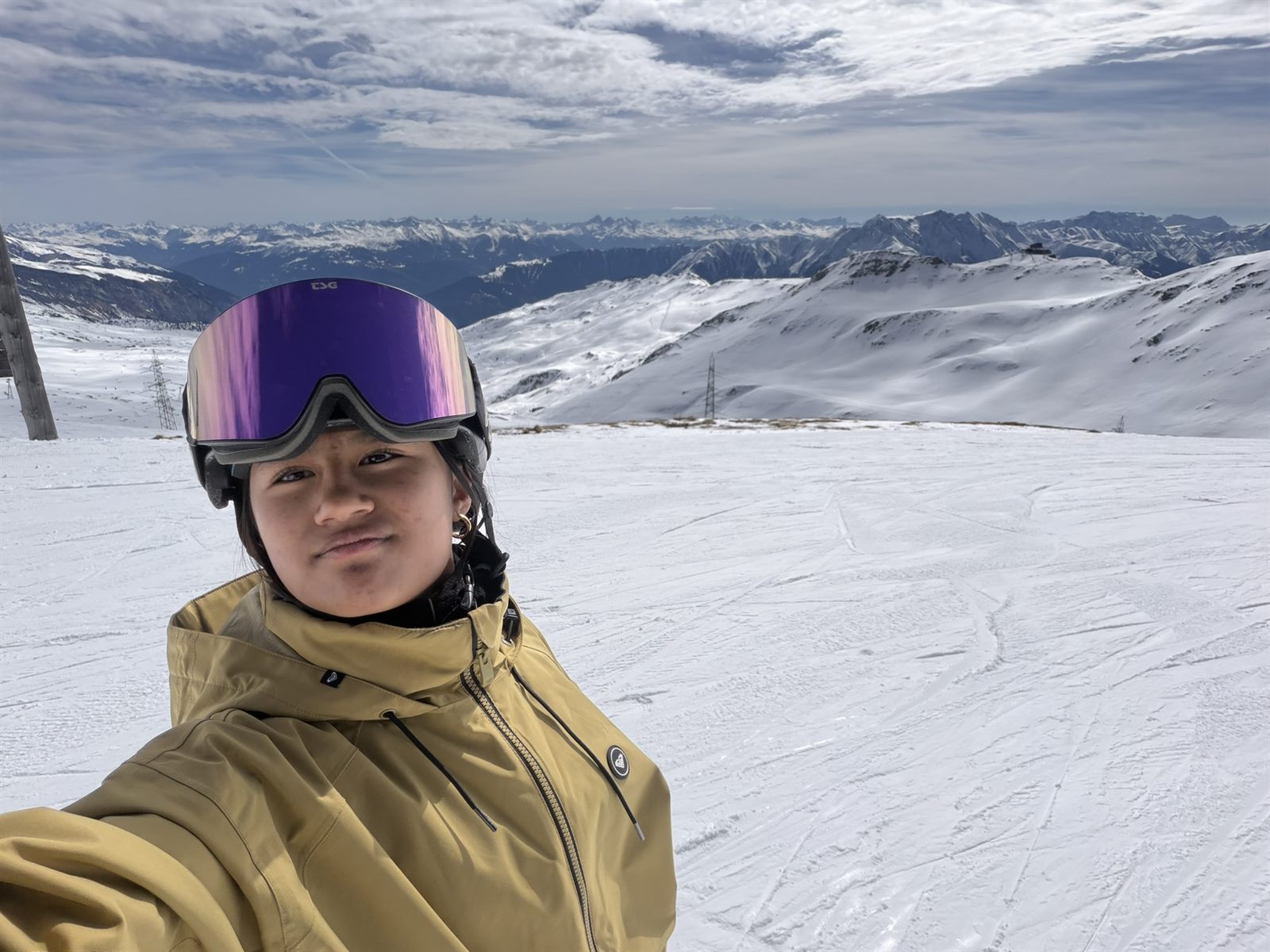
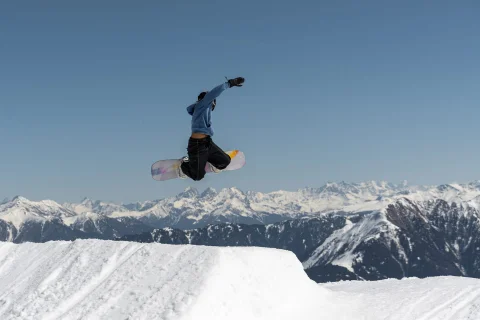
When you see a snowboarder flying through the air in a halfpipe, you're seeing the result of years of practice, falling, and getting back up. But over the last two months, I've had to learn a different kind of discipline. After my back injury, the mountain was replaced by the clinic, and the board was replaced by a yoga mat.
The Power of Physiotherapy
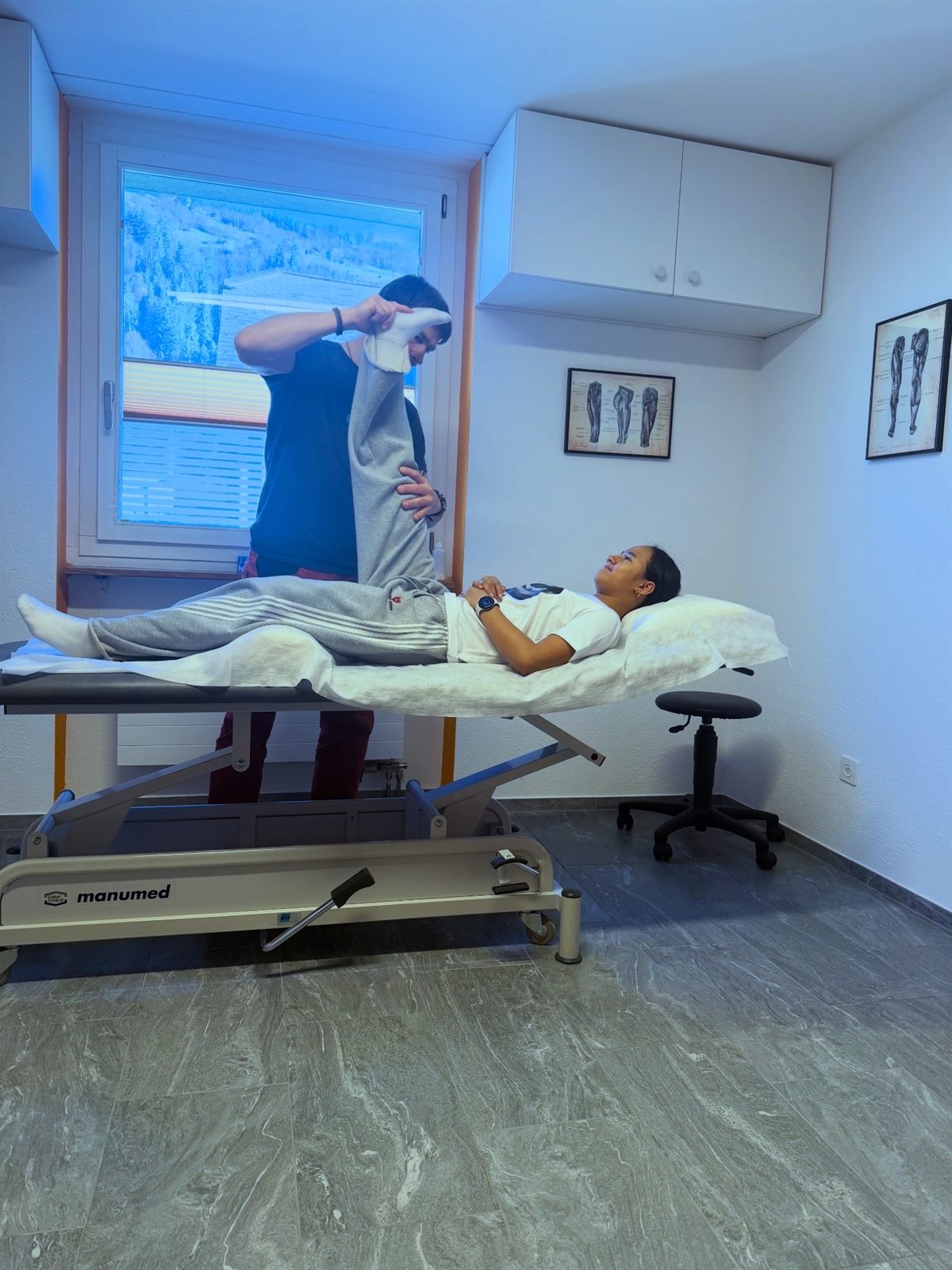
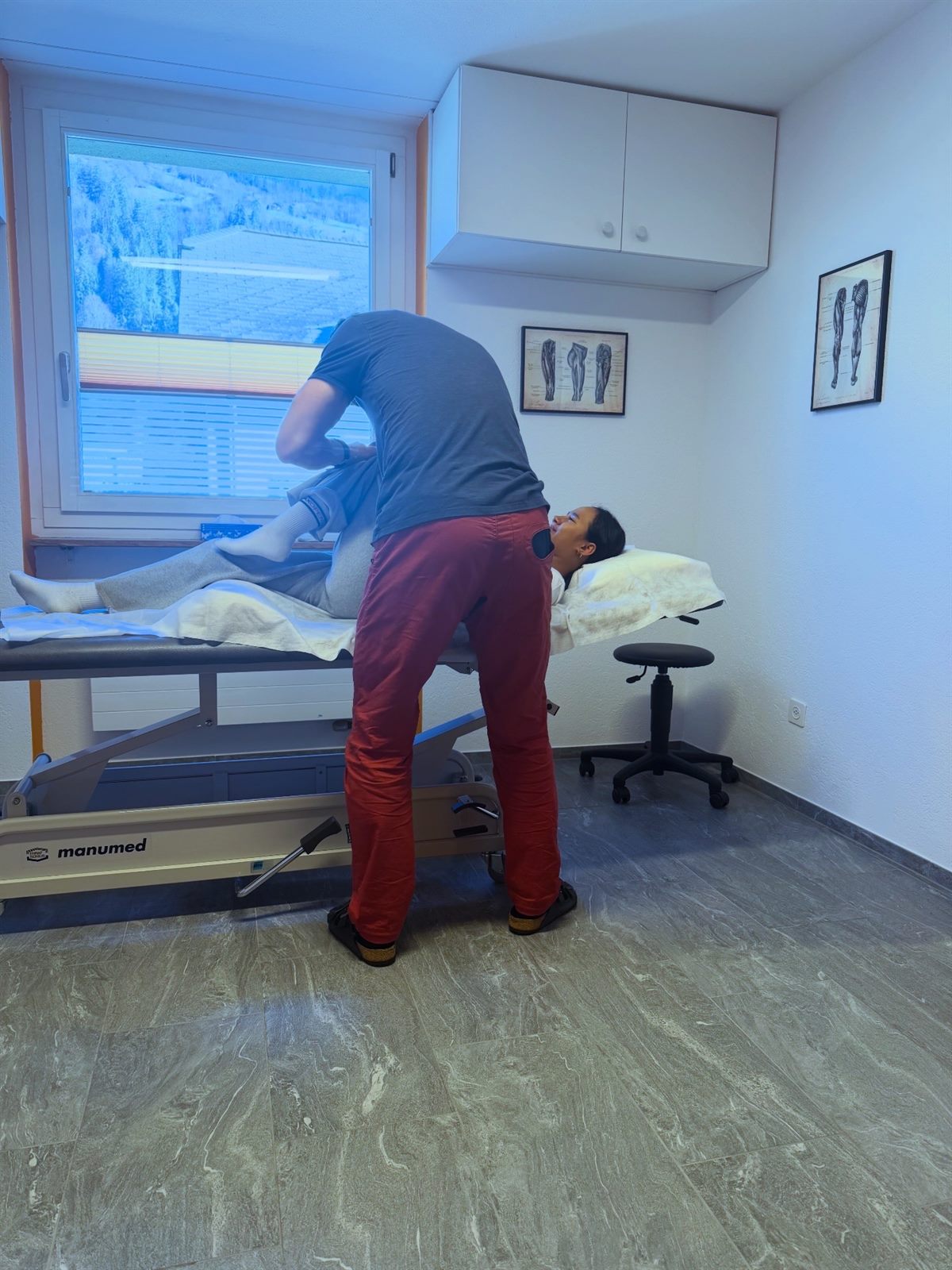
The first step of my journey wasn't back to the gym, but to the physiotherapy table. Working with my physio was a game-changer. We spent weeks focusing on spinal decompression and identifying the small imbalances that led to the injury in the first place.
Through manual therapy, dry needling, and targeted movements, we worked to reduce the inflammation and get my vertebrae moving correctly again. It wasn't always comfortable, and it required a lot of patience, but it laid the essential foundation for me to start moving safely again.
The Grind: Stretching, Squats, and Swimming
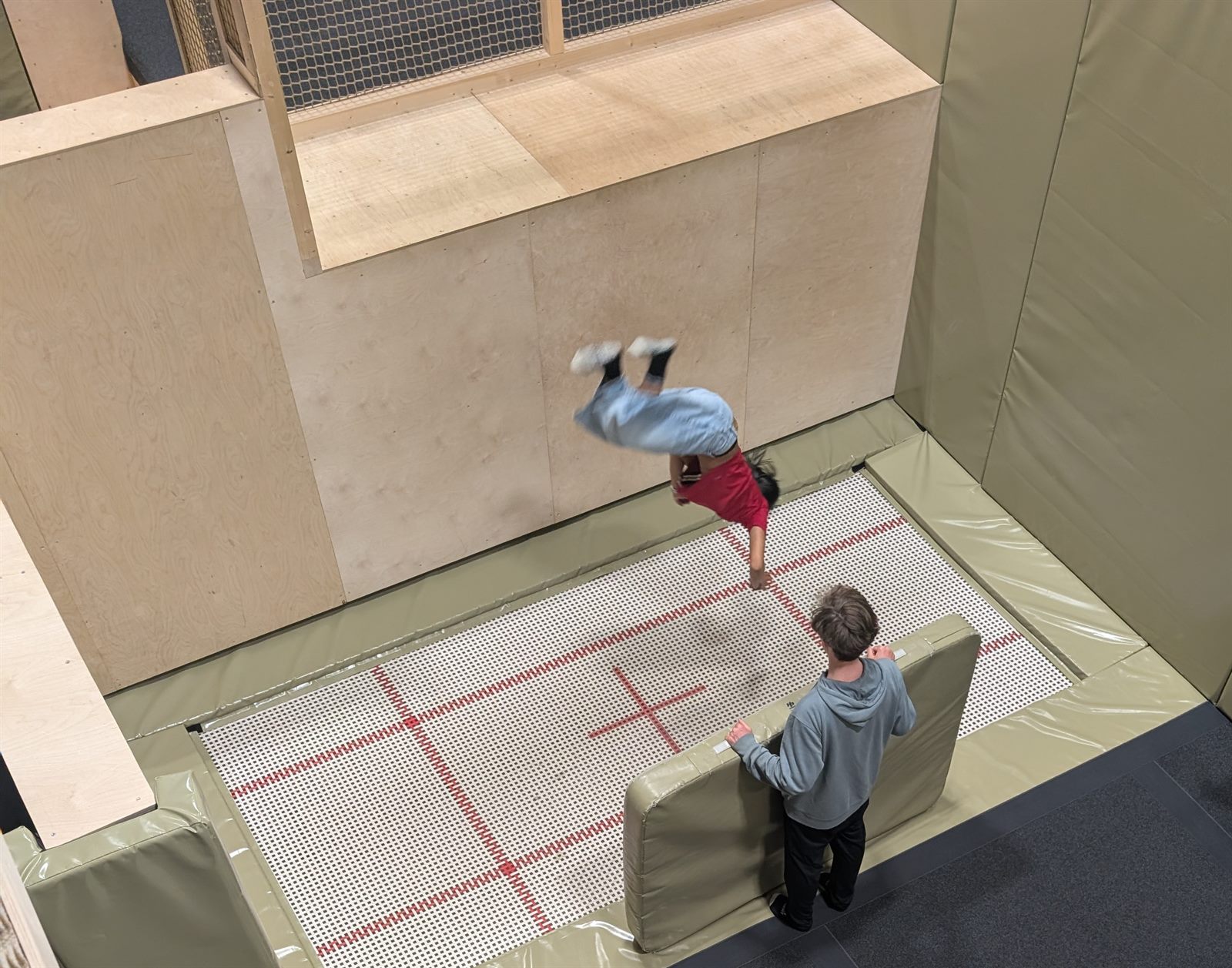
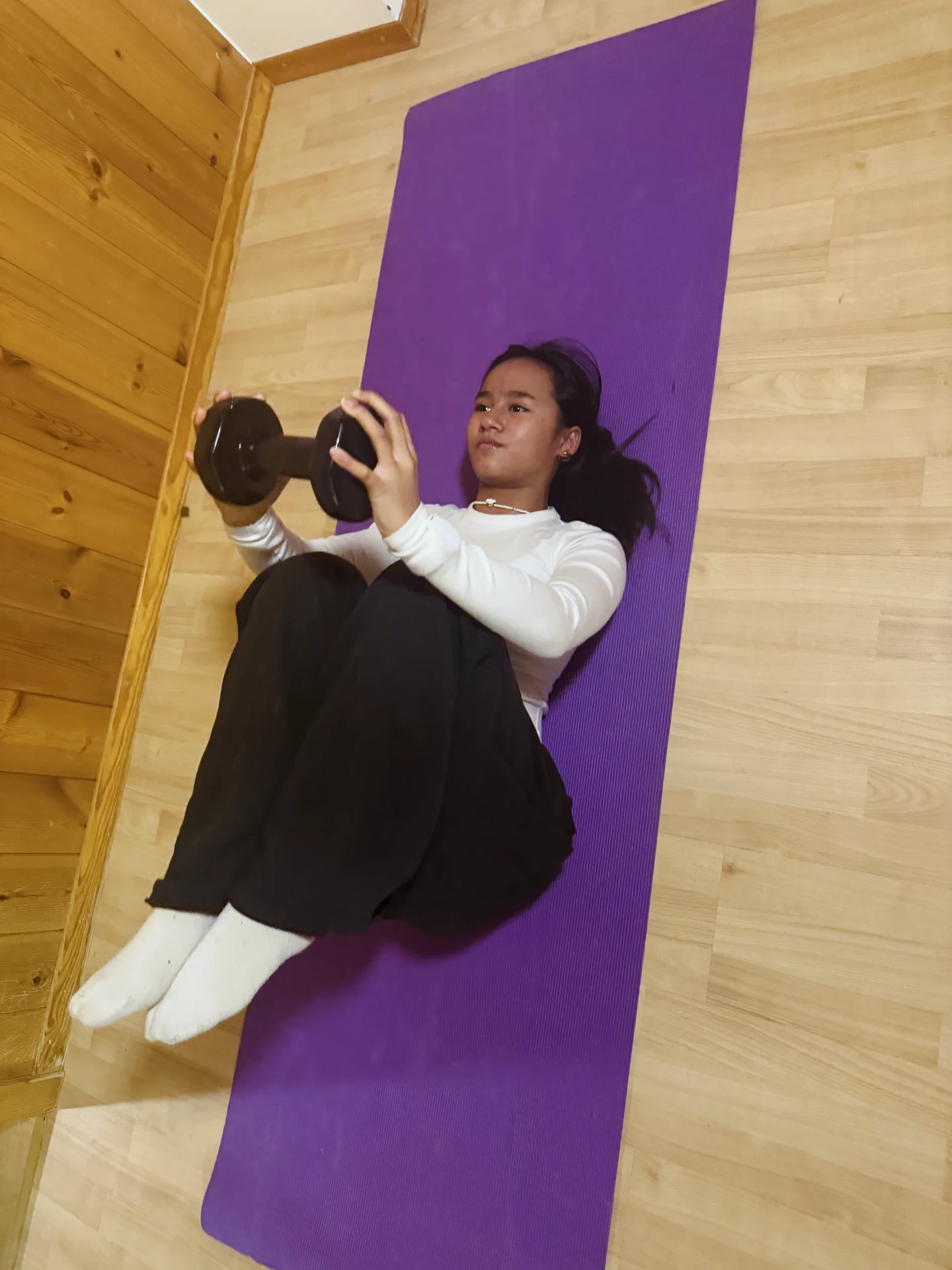
Once I got the green light to start training again, I didn't take a single second for granted. My "break" actually became one of the most intense training periods of my life. I committed to a strict daily routine:
Stretching & Mobility: Every morning started with an hour of deep stretching. I had to regain the flexibility in my hips and lower back to ensure I could handle the torque of a halfpipe landing.
Squats & Strength: To protect my back, I needed my legs and core to be stronger than ever. I focused on high-rep squats and stability exercises to build a "natural corset" of muscle around my spine.
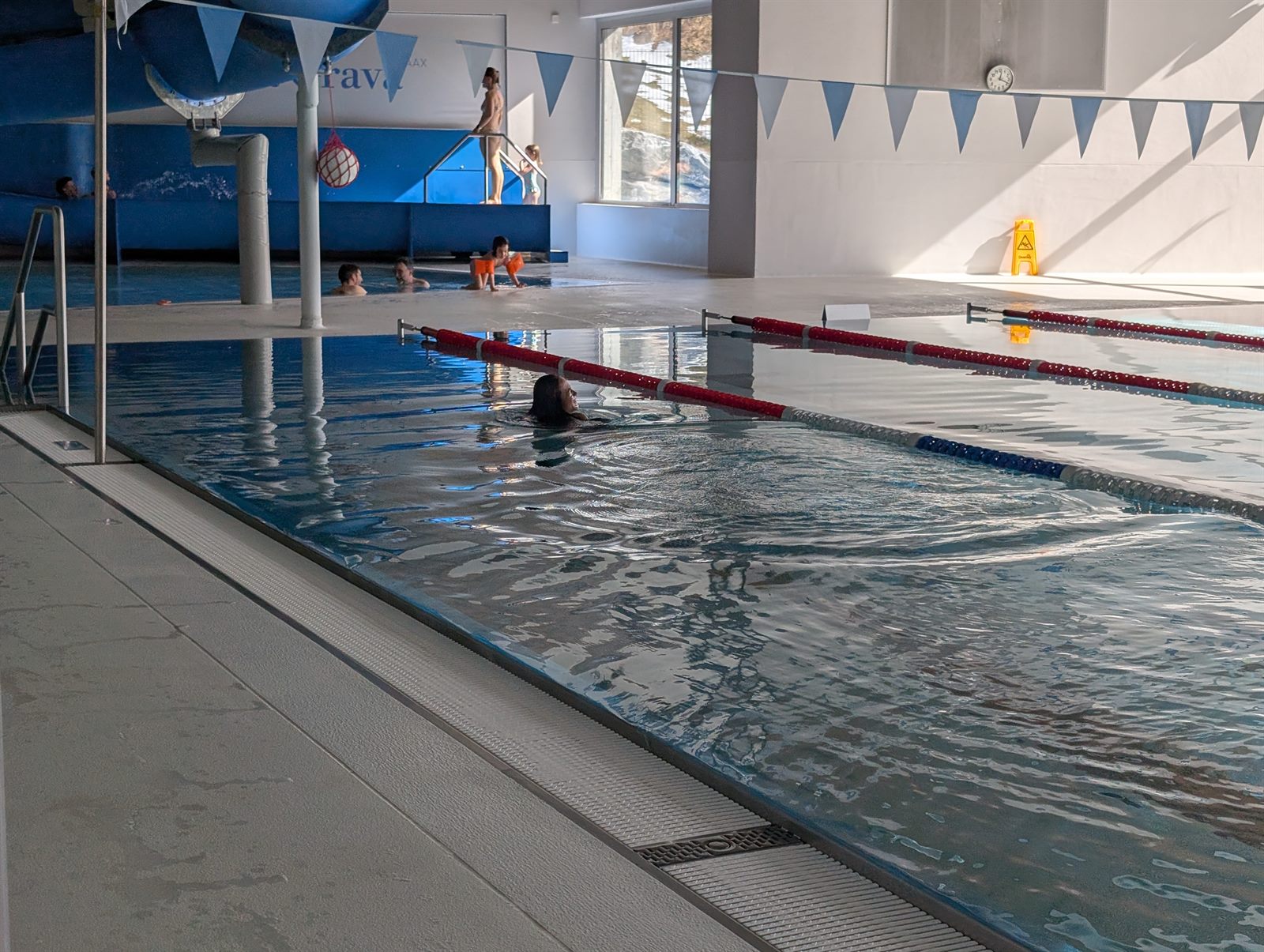
Swimming: This was my secret weapon. Swimming allowed me to get a full-body workout and build my cardio without any impact on my joints. It was the perfect way to feel weightless when I couldn't yet fly in the pipe.
The Mental Game
The hardest part of recovery isn't the physical pain; it's the mental side. Watching snow fall and seeing friends post clips while you're doing your 50th squat in a gym is tough.
But I used that time to visualize. I mentally rehearsed every turn and every hit in the pipe, so that when I would finally step back on the snow, my mind would feel like I never left. I didn't want to just start "trying" to ride again; I was executing a plan I was practicing in my head for eight weeks.
"Recovery isn't just about healing the body; it's about rebuilding the confidence to trust your body again."
Better, Stronger, Faster
I'm happy to report that the hard work is paying off. Because of all the physio and conditioning, I actually feel more stable and strong than I did before the injury.
Recovery isn't a "pause" in your career—it's an opportunity to rebuild yourself from the ground up!
See you soon again, on the slopes,
Zazi 💜
Follow my journey on Instagram for more behind-the-scenes looks at my training and travels!
PS. Follow the adventures of Zazi, the Indonesian Athlete, Teen Model & Snowboard Girl, on Instagram: Click Here!